

EFX-10 Pit Viper: Purpose-Built for the High-Speed Threat
Operational System | Entering Production
A dual-role aerial target system that replicates loitering munition and interceptor drone threats with ground-launched, high-speed profiles — delivering the engagement timelines that define modern counter-UAS training.
The Training Problem
One Airframe. Two Threat Profiles. Zero Compromises.
High-speed drone threats — loitering munitions on terminal approach, interceptor UAS in pursuit geometry — compress engagement timelines to the point where operators have seconds, not minutes. Most counter-UAS training programs have never trained against this threat class, because no affordable, purpose-built system existed to replicate it.
Unlike modified commercial platforms or single-role systems, Pit Viper is purpose-built to replicate both strike and interceptor drone threats in a single U.S.-manufactured airframe.
It delivers the time-compressed engagement scenarios — rapid approach, maneuver, terminal attack — that define the modern battlefield UAS threat, and forces the detection, tracking, and response decisions that training organizations need to stress.
No other system at this price point offers dual-role threat profiles from a single ground-launched, attritable airframe. Pit Viper does — entering production now.
WHAT Pit Viper IS
High-Speed. Dual-Role. Built for the Tactical Threat Layer
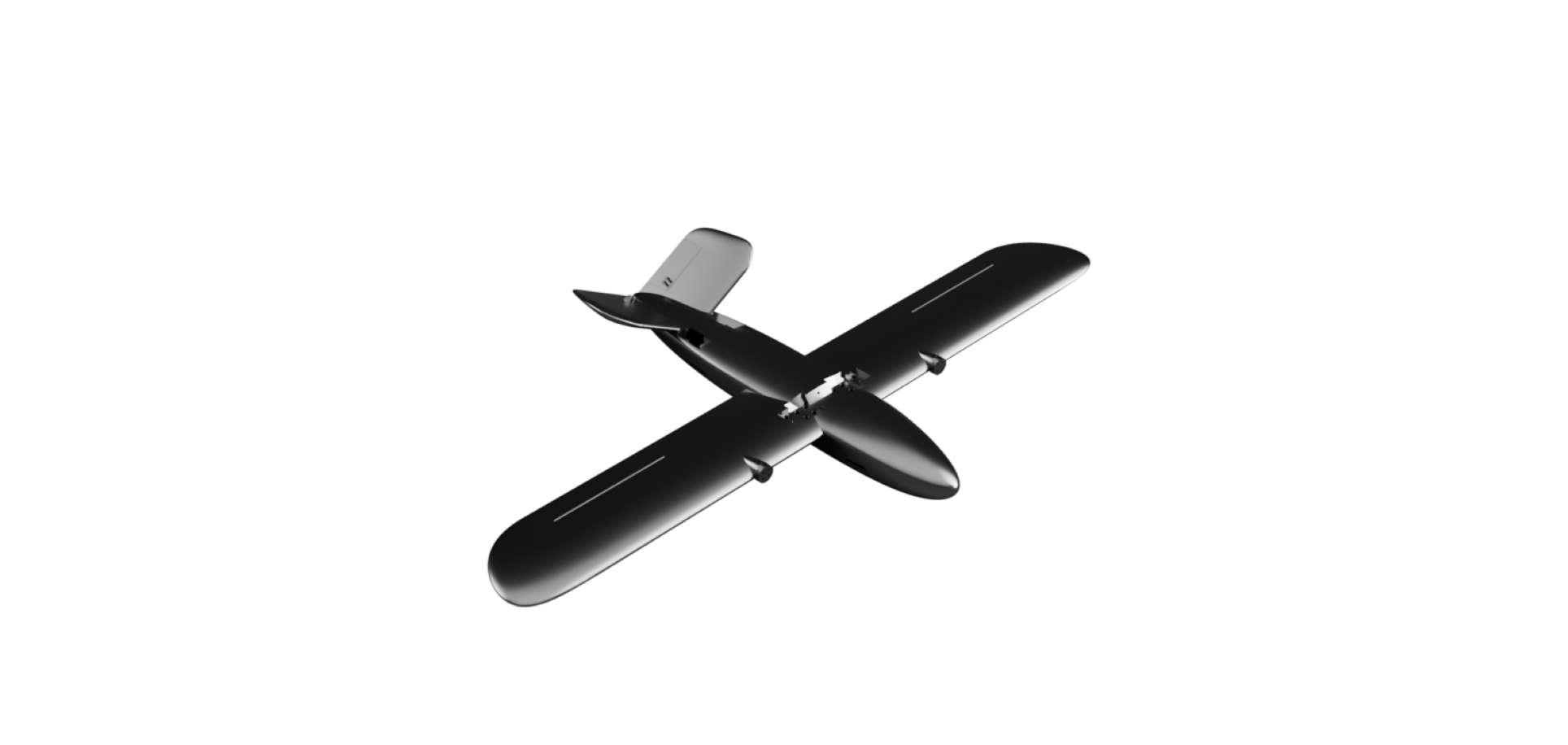
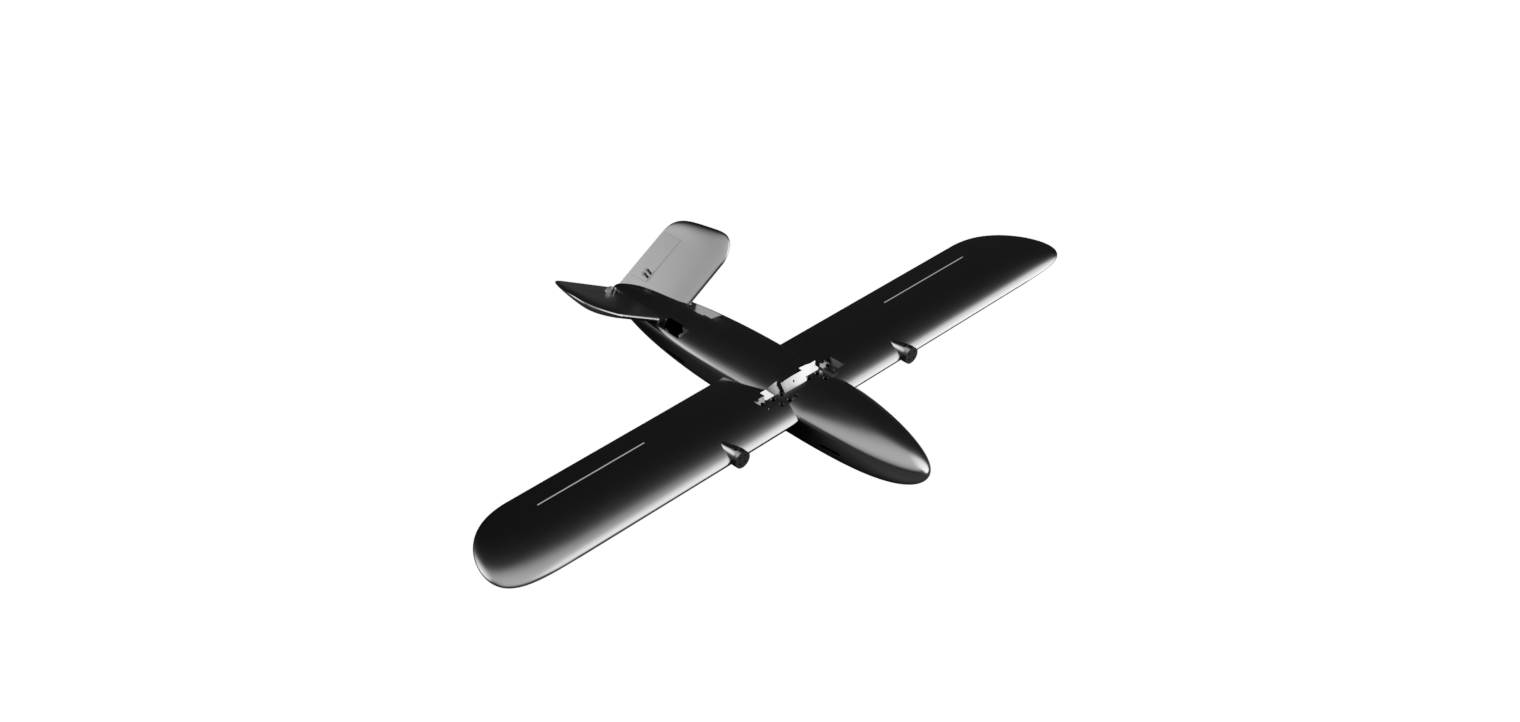
The EFX-10 Pit Viper is ABSI’s purpose-built high-speed aerial target — an electric fixed-wing platform designed to replicate the tactical threat layer that defines the modern close-range battlefield: the FPV strike drone on terminal approach, the interceptor UAS in pursuit geometry, the loitering munition making its final run. Where Rattler delivers sustained training volume across the broad Group 1–3 threat spectrum and Dagger replicates the jet-speed one-way attack, Pit Viper occupies the high-speed tactical middle — the threat class that compresses operator decision timelines to seconds and demands a system built specifically to replicate it.
The dual-role architecture is the defining design decision. Most high-speed aerial targets are optimized for a single profile — a strike run or a pursuit geometry — and programs that need both must procure both. Pit Viper replicates strike and interceptor profiles from a single ground-launched airframe, with no separate system required. One procurement. One operator qualification pathway. One logistics footprint. Two distinct high-speed threat classes in the training scenario. That is the program economics argument for dual-role design, and it is the reason Pit Viper was built the way it was built.
NDAA-compliant variants will run ABSI’s own U.S.-manufactured flight controller upon its production release this summer — addressing the single most constrained component in domestic drone manufacturing. Remaining avionics components are sourced from NDAA-compliant supply chains, with a full ABSI-developed avionics stack on the roadmap.
Key Capabilities
-
Dual-Role Threat Emulation
One airframe replicates both loitering munition dive-attack profiles and pursuit-based interceptor behavior — no separate system required.
-
Time-Compressed Engagements
High-speed approach and attack geometry forces operators to detect, track, and engage under realistic timeline pressure.
-
Flexible Ground-Based Launch
Hand launch and vertical stand launch for rapid deployment across diverse environments. Multi-system launcher integration in development for sequential engagement from a single position.
-
Affordable and Attritable
Designed for repeated kinetic engagement. Low unit cost supports high-volume live-fire training without prohibitive attrition expense.
-
Two Procurement Configurations
Available in NDAA-compliant variant for standard DoD procurement, and C-UAS training-optimized variant — procured under the Section 817 FY2023 NDAA exemption — for maximum threat fidelity with authentic adversary emissions.
System Specifications
| Threat Profiles | Strike (dive-attack), Interceptor (pursuit), Loiter-to-Strike transition |
| Launch Options | Hand launch, vertical stand launch |
| Future Capability | Multi-system launcher integration (sequential deployment) |
| Payload / Signatures | Mission-configurable for realistic threat emulation |
| Instrumentation | Compatible with training and evaluation scoring systems |
| Deployment | Lightweight, field-expeditionary across diverse environments |
| Flight Controller | ABSI-designed, U.S.-manufactured — the most supply chain-constrained component in NDAA-compliant drone production, now resolved in-house. Transition to ABSI controller upon production release, summer 2026. |
| Other Avionics | ESCs and GPS sourced from NDAA-compliant supply chains. Full ABSI-developed avionics stack on the roadmap. |
| NDAA-Compliant Variant | Supply chain validated for NDAA compliance. Standard DoD procurement — no exception-to-policy required. |
| C-UAS Training Variant | Authentic adversary component set. Procured under Section 817, FY2023 NDAA exemption for C-UAS surrogate testing and training. |
Detailed performance parameters are available upon engagement. Contact our team to discuss configuration options aligned to your mission requirements.
Use Cases - Applications
Primary
-
FPV-style strike drone threat emulation
-
Loitering munition (LMAM) training and evaluation
-
Interceptor drone threat replication
-
High-speed small UAS engagement training
Secondary
-
Counter-UAS system development and validation
-
Advanced TTP development
-
Distributed launch threat simulation
ABSI Aerial Targets Ecosystem
One control system. Every threat class. Seamless training at scale.
Pit Viper is the dual role tactical threat layer within the ABSI aerial target ecosystem. All ABSI systems operate within a common control and mission planning architecture, enabling coordinated multi-threat scenarios — from low-and-slow to high-speed strike profiles — within a single training event.
Acquisition Pathway
Entering Production. Available Now.
Pit Viper is now entering low-rate initial production and is available to U.S. government customers, prime contractors, and authorized partners. Initial deliveries are anticipated beginning June 2026, with expanded capability releases — including multi-system launcher integration — planned thereafter.
Pit Viper is available in both NDAA-compliant and C-UAS training-optimized configurations. Your acquisition pathway determines your configuration. Procure through DLA SOE/TLS, GSA OASIS+, GSA PSS, Navy SeaPort-NxG, or direct contracting.
Not sure which configuration fits your program?
The C-UAS training-optimized variant is available under Section 817 of the FY2023 NDAA — a statutory exemption that gives counter-UAS training programs explicit authority to procure authentic adversary component systems without standard NDAA supply chain restrictions. Contact ABSI and we’ll walk your team through the pathway.

Launch the Threat. Replicate the Strike.
Pit Viper is purpose-built for the high-speed threat your operators will face. Nearing completion of flight test. Entering production. Initial deliveries June 2026. Two configurations to match your acquisition pathway.